

Let’s begin with a familiar scenario.
An ecommerce site owner has a steady flow of visitors landing on her website. On paper, things look promising. But her sales numbers tell a different story. Assuming it’s a visibility problem, she increases her ad spend. Yet nothing changes. A closer audit finally uncovers the real issue: the CTA was buried, the messaging didn’t match the ads, and the checkout process created unnecessary friction.
In my experience, situations like these are far more common than most teams realize, and they almost always come down to one thing: the conversion rate. But you don’t have to end up in the same position.
In this article, we’ll break down what conversion rate optimization really means and how you can improve it to unlock higher revenue.
What is Conversion Rate Optimization or CRO?
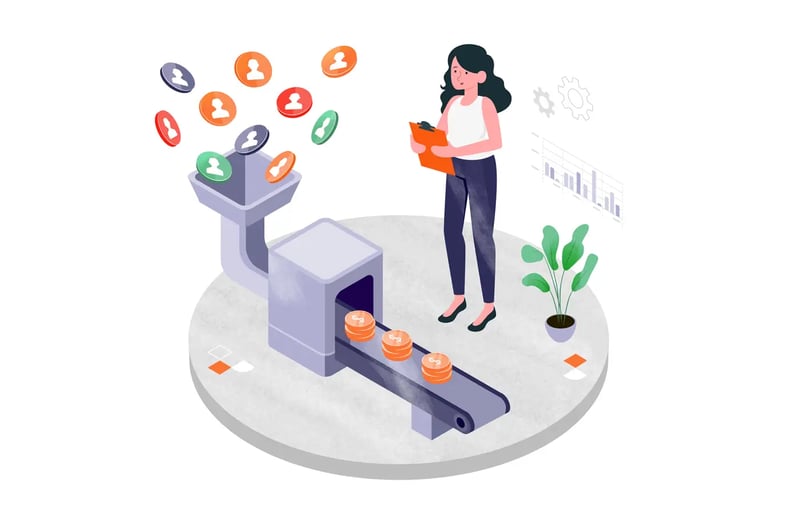
Conversion rate optimization is a process that increases the percentage of website visitors who take a desired action. The action is called “conversion”, and it could be filling out a form, purchasing a product, or signing up for a newsletter.
CRO is a continuous, data-driven process that analyzes the user journey and makes measurable improvements to the user experience, increasing the conversion rate and boosting revenue.
However, it’s important to note here that B2B conversion rates and B2C conversion rates differ and require different strategies.
B2B and B2C Conversion Rates
B2B Conversion Rates
The B2B buying journey is complex and involves multiple decision-makers. As a result, conversion cycles are naturally longer. From what I’ve seen across teams, the most effective B2B CRO strategies rely on:
- Strong content marketing
- Lead nurturing workflows
- Trust-building touchpoints
- Clear value communication across every stage
B2C Conversion Rates
B2C conversions usually happen much faster. Consumers make decisions more quickly, especially when the path to purchase is simple and intuitive. Effective B2C CRO often includes:
- Clear and compelling product descriptions
- Easy-to-spot CTAs
- Fast, frictionless checkout flows
Understanding which side of this spectrum your business falls on shapes how you optimize.
Ecommerce Conversion Rates
Ecommerce conversion rate is the percentage of an ecommerce website’s visitors who complete a desired action, such as a purchase. It’s a key metric that helps you understand how effectively your online store turns visitors into customers.
Conversion rate = (Conversions/Visitors) x 100
To calculate it, divide the number of purchases by the total number of visitors, and then multiply the result by 100. For example, if 50 out of 2,000 visitors buy a product, your ecommerce conversion rate is 2.5%.
Calculating the ecommerce conversion rate is important for understanding how your site is performing compared to your competitors.
Average Conversion Rate
The average conversion rate shows how many visitors complete your desired action, such as making a purchase or filling out a web form. While the global ecommerce conversion rate is around 2-3%, this number varies by industry, audience type, and traffic source. You can check the latest ecommerce conversion rate benchmarks to compare your performance with industry standards.
Instead of comparing your website with others, focus on improving its performance. Track key metrics, such as bounce rate, user interactions, and checkout page drop-offs, to identify areas for growth. Regularly testing and refining your site’s conversion funnel will help you increase conversions and build a more effective CRO strategy.
Conversion Rate Optimization Process
Conversion rate optimization (CRO) is not a one-time fix. It’s an ongoing process. It involves a series of conversion rate optimization techniques.
Step 1: Audit Your Current Performance
Before implementing any changes, start with a detailed audit of your website’s and landing pages’ performance. An audit provides the foundation for your CRO strategy by showing where you’re losing conversions and what’s preventing visitors from completing your conversion goal.
Look into your funnel to see where potential customers drop off and which pages perform best.
Use website and marketing analytics tools to centralize data from multiple sources and track user behavior more accurately. For example, Google Analytics or heatmaps can help identify friction points in user journeys. Consider conducting user interviews to understand user satisfaction and gather first-hand user feedback.
Also, check for technical issues such as broken links, slow loading speed, or poor mobile optimization, as these directly affect user engagement.
Step 2: Analyze User Behavior and Research
The next step is to understand ‘why’ users behave the way they do. Combine reports from different data sources to identify areas where users struggle and the factors that influence their decisions.
Conduct both qualitative and quantitative user research to understand your visitors’ motivations, pain points, and actions. Heatmaps, session recordings, and conversion tracking help visualize how users navigate your site, while surveys collect customer feedback and reveal what they’re thinking.
You can also analyze search engine data to understand which keywords drive web traffic and how visitors find your pages.
Step 3: Form Hypotheses and Prioritize Tests
Once you’ve gathered enough insights, form hypotheses about what might improve your site’s conversion rate. A good hypothesis is measurable, actionable, and based on your user research.
Prioritize these hypotheses based on potential impact and ease of implementation. Focus first on changes that can bring quick wins, such as improving CTA visibility or simplifying the checkout page.
This structured approach ensures your conversion rate optimization techniques are strategic and aligned with business goals, helping you convert visitors into paying customers efficiently.
Step 4: Design and Run Tests
Now it’s time to put your hypotheses into action. A/B testing is one of the most effective methods for validating your ideas. Test different versions of your page elements, like headlines, product images, CTA buttons, or layouts, to determine which version drives better results.
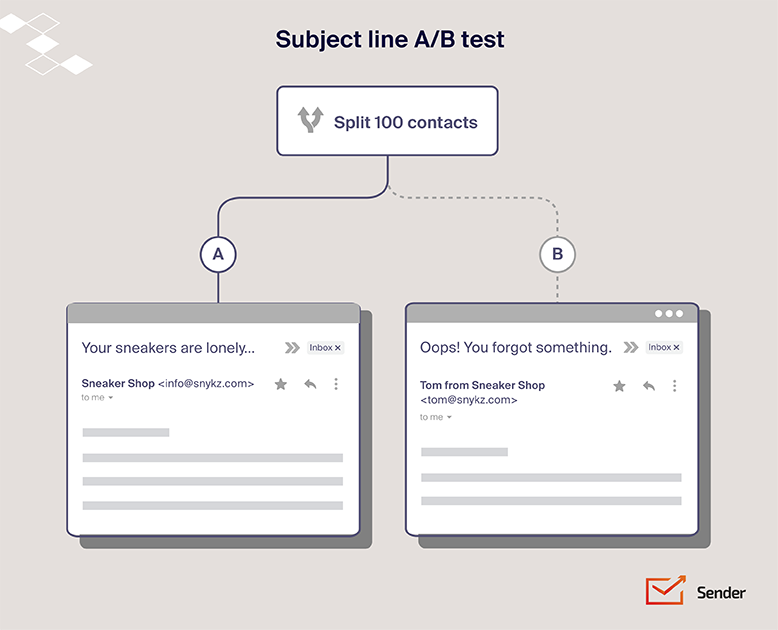
Make sure to test one variable at a time to get accurate insights into user interactions.
For ecommerce conversion rate optimization, even minor design tweaks, like faster page load times or optimized checkout flows, can lead to significant gains.
Document every test result, as it helps refine future experiments and continuously improve your site’s conversion rate.
Step 5: Analyze Results and Implement Winners
After running your A/B tests, analyze the outcomes using reliable analytics tools to understand which variations performed better. Focus on key metrics such as conversion rate, click-through rate, time on page, and overall user engagement.
Once you identify the winning variation, implement those improvements across your website to scale the impact. In B2B environments, teams often rely on tools like LinkedIn data extractors or prospecting platforms to build more accurate prospect lists. When combined with an optimized funnel, better-qualified leads can improve overall conversion performance.
The goal is to make data-backed decisions that steadily increase conversions, reduce friction, and lower customer acquisition costs over time.
Step 6: Continuous Monitoring and Iteration
CRO doesn’t stop after a few successful tests; it’s a continuous process. Regularly monitor key metrics such as bounce rate, click-through rate, and time on page to catch any performance dips early. Use conversion tracking, user feedback, and qualitative data to stay aligned with changing customer expectations.
Revisit your CRO program periodically to refresh content, update CTAs, and test new layouts or messaging based on emerging trends. Over time, this consistent testing, learning, and refining will help you maintain a site that adapts to user behaviour, improves website optimization, and steadily increases conversions.
Conversion Rate Optimization Tips and Best Practices
Now that you’re aware of the conversion rate optimization process, let’s understand some of the CRO best practices for landing page optimization.
Product Recommendation Quizzes
Product recommendation quizzes help personalize the shopping experience and simplify decision-making for users. By asking a short series of targeted questions, these quizzes guide visitors toward products that best match their needs, preferences, or use cases, reducing friction and purchase hesitation.
When designed well, product recommendation quizzes can support conversion rate optimization in several ways:
- Personalized user journeys: Logic-based question paths adapt the experience based on each visitor’s answers, making recommendations feel more relevant and personal.
- Clear paths to purchase: Quizzes can direct users to specific product pages or collections, helping them move from discovery to checkout with fewer steps.
- Higher engagement: Interactive formats, progress indicators, and visual elements keep users engaged longer compared to static product listings.
- Actionable customer insights: Quiz responses provide valuable data about customer preferences and behavior, which can inform merchandising, messaging, and future campaigns.
Landing Page Optimization
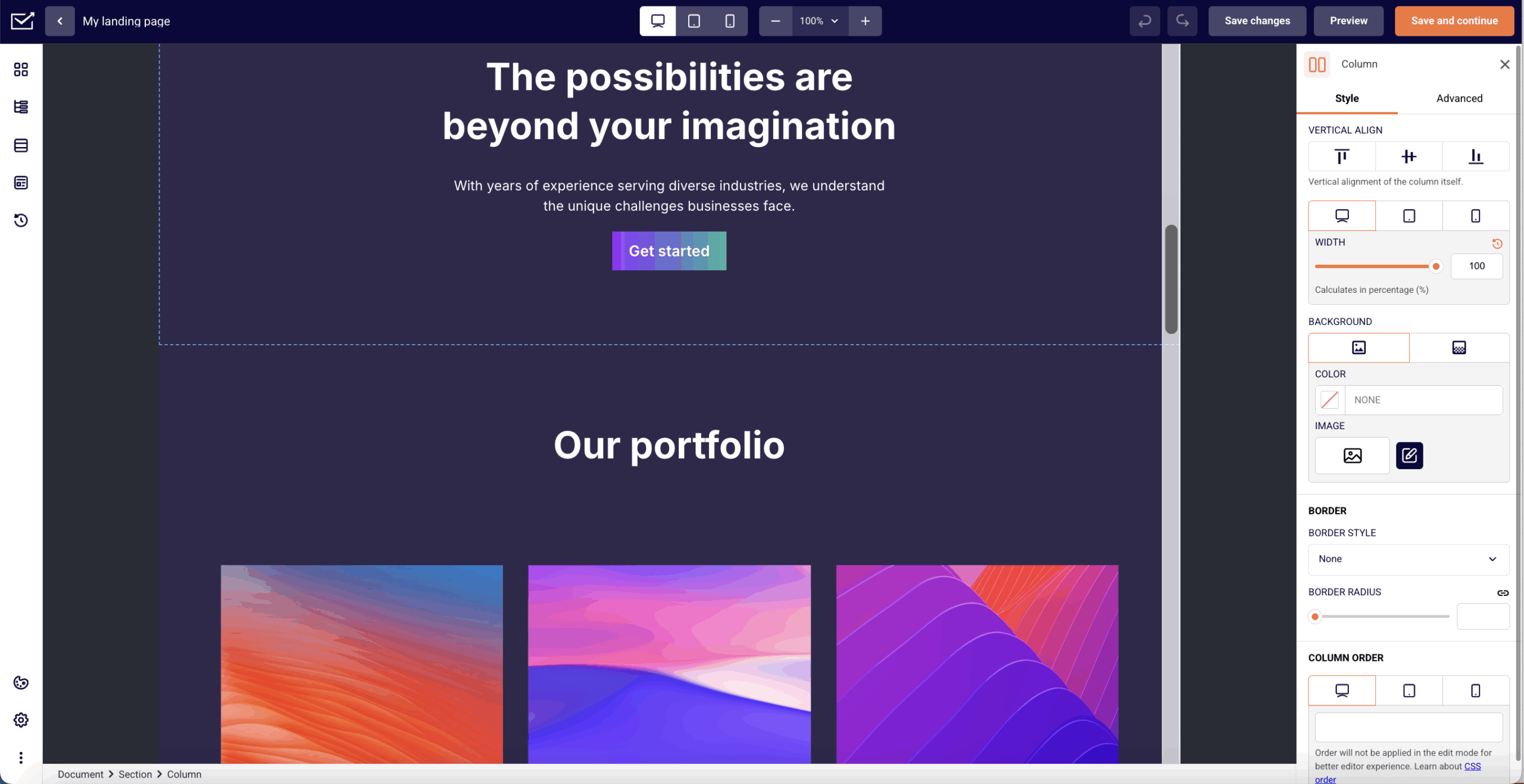
A well-optimized landing page can be a game-changer. According to recent research, long landing pages have the potential to generate 220% more leads than shorter ones.
A few key things that you can apply to your landing page optimization:
- Conduct solid target audience research to understand their pain points and how your product can solve their problem.
- Integrate Google Analytics to track website traffic, understand campaign performance, and gain insights into user behavior.
- Avoid overwhelming visitors with too much information. Keep your landing page laser-focused.
A/B Testing Calls-to-Action
Your call-to-action (CTA) can make or break a conversion. A/B testing helps you identify which version of your CTA drives the most engagement and clicks. Instead of relying on assumptions, test one element at a time – such as button text, placement, color, or size – to see what truly resonates with your audience.
Start by creating two versions of your CTA and measuring performance metrics like click-through rate (CTR) or conversion rate. Even small tweaks, like changing “Get Started” to “Start My Free Trial”, or moving the button higher on the page, can lead to significant improvements.
Conversion Rate Optimization FAQs
How can you improve conversion rates?
You can improve conversion rates by analysing user behaviour, removing friction in the conversion funnel, and simplifying the checkout page. Focus on clear CTAs, fast-loading pages, strong user experience (UX), and relevant content. Regular A/B testing and conversion tracking help identify what’s working, allowing you to refine your CRO strategy continuously.
What is a good conversion rate?
A “good” conversion rate varies by industry, audience, and the quality of traffic. Generally, most websites see an average of between 2% and 5%. Instead of comparing with others, track your own key metrics and aim for steady improvement through consistent website optimization efforts.
What methods are useful for analyzing CRO results?
The methods that are useful for analyzing CRO results are A/B testing, heatmaps, funnel analysis, and user surveys. These tools help you understand how visitors interact with your site and reveal opportunities to optimize your conversion rate.
Is CRO a growing trend in digital marketing?
Yes, CRO is a growing trend in digital marketing. With rising acquisition costs, businesses are prioritising conversion rate optimization to get more value from existing website traffic. CRO helps brands enhance ROI, retain customers, and deliver a better user experience, making it a key part of modern digital marketing strategies.