

Email’s still one of the best ways I connect with customers. I use it for nurturing leads, staying in touch, keeping my business on people’s radar. It works, and it’s central to my email marketing strategy.
But inboxes are a mess. Your subscribers get flooded with marketing emails every single day, and most of those emails? They don’t matter to them at all.
That’s the hard part. If your emails don’t hit home, they just get skipped. I’ve been there more times than I’d like to admit. My early email marketing efforts were mostly guesswork.
Email sequences changed how I approach this whole thing.
This article is part of our Marketing automation guide.
What is an Email Sequence?
An email sequence is basically a series of automated emails that go out as someone moves through your sales funnel. For me, it’s been one of the most effective ways to talk to customers at scale without losing that personal touch. You can use email marketing automation to set this up once and let it run.
Not all email marketing sequences work the same way though. Different situations call for different approaches, and picking the right one comes down to understanding what your customers need and what you’re trying to get out of it.
My goals usually break down like this:
- Nurturing leads who aren’t ready to buy yet
- Staying connected with existing clients for better customer retention
- Winning back people who’ve gone quiet
When sequences work, they help you say the right thing to the right person when they need to hear it. That’s really what it comes down to. The right automated email sequence can generate leads and convert leads into buyers without constant manual effort.
I should say—you do have to be careful here.
The whole point is building a relationship. Every email should feel relevant to whoever’s reading it. The second someone feels like they’re getting generic blasts or spam, you’ve lost them. Personalized messages make all the difference.
I don’t rush this process anymore. I take time to figure out what my target audience wants, then I try to deliver on that consistently.
Drip Campaigns vs Email Automation Sequences
People mix these up constantly, but they’re different things. The key difference comes down to what triggers the emails.
Email drip campaigns run on a set schedule. You write a series of emails, set the timing, and they go out no matter what the recipient does. Someone might get Email 1 on Day 1, Email 2 on Day 3, Email 3 on Day 7. The sequence just keeps moving forward. It’s a sequence based on time, not actions.
Automation sequences respond to user behavior. When someone clicks a link or downloads something or abandons their cart, that triggers an email. The sequence adjusts based on what the person does. Good automation software makes this easy to set up.
Drip campaigns are like scheduled broadcasts. Automation sequences are more like conversations that react to customer behavior.
I’ve found the best approach is usually a mix of both. Drip marketing works well for onboarding new subscribers with consistent content. Then I layer in automation to react when people take specific actions. Any decent automation tool will let you do both.
Knowing which to use when has made a big difference for me. Drip campaigns are great when you need consistency. Automation works better when what matters is relevance.
Why Email Sequences Matter
I used to just send email campaigns whenever I had something to say and hope for the best. That didn’t work.
Email sequences turned things around. Here’s why I think they matter:
- They build relationships gradually. One email doesn’t earn trust. A good sequence lets you prove yourself over time, moving people from stranger to subscriber to customer — and improving your customer retention rate as repeat purchases compound.
- They run without you. Once I set up a sequence, it works on its own. I write the content once and it keeps running for every new person who signs up. You basically write evergreen content that stays relevant.
- They show up at the right time. Sequences let me reach people wherever they are in their journey—whether they just found me or they’re close to buying.
- They convert better. One email rarely closes a sale. People need multiple touchpoints, and I’ve seen this play out over and over.
- They catch leads before they go cold. Without follow up emails, people forget about you. Automated sequences keep you on their radar.
- They give you data. I can see what’s working at each step—open rates, clicks, conversions—and adjust from there. This gives you valuable insights into what resonates.
Types of Email Sequences With Examples
These are the sequences I come back to again and again. You can find email sequence templates for most of these online, but I’d recommend building your own based on what works for your business.
Welcome or Onboarding Email Sequence
This is the first welcome email someone gets after a contact subscribes. I don’t think I can overstate how much this matters. More than 8 out of 10 people will open a welcome email.
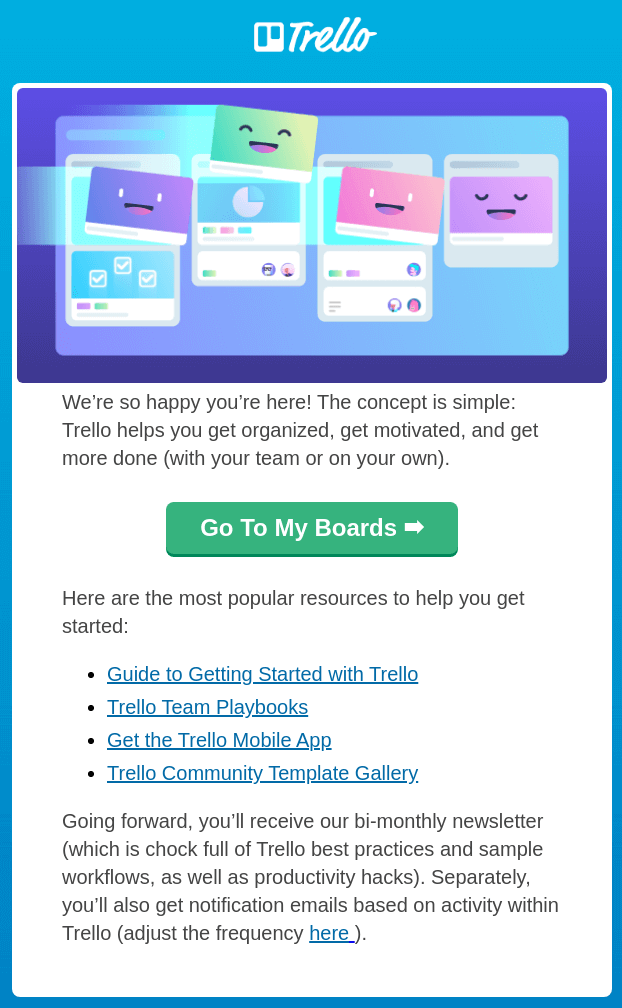
A good welcome email sequence does more than say “thanks for subscribing.” It teaches new subscribers something, shows them how to engage with your content or product, and starts building trust right away. You’re welcoming new customers and setting expectations.
I always include a clear next step. How to build a welcome email series in Sender step by step walks through the trigger conditions, sequence pacing, and template configuration that turns a welcome sequence into a self-running automation.”
Here’s what I’ve figured out: if your welcome emails are generic or dull, people tune out fast. First impressions count. I put real effort into making these emails interesting because I know how much competition there is for attention. Effective subject lines help get them opened in the first place.
My approach starts with understanding what subscribers want and where they’re coming from. Then I write emails that speak to that.
Personalization goes a long way. I use the subscriber’s name, write directly to them, and try to make each email feel like it was meant for them specifically—not sent to thousands of people. The welcome email examples for crafting that high-impact first sequence shows 15+ welcome emails from brands across SaaS, ecommerce, and B2B with their subject line, CTA, and tonal patterns.
One thing I’m careful about: don’t flood people’s inboxes. I space emails out and avoid being overbearing. Coming on too strong gets you unsubscribed.
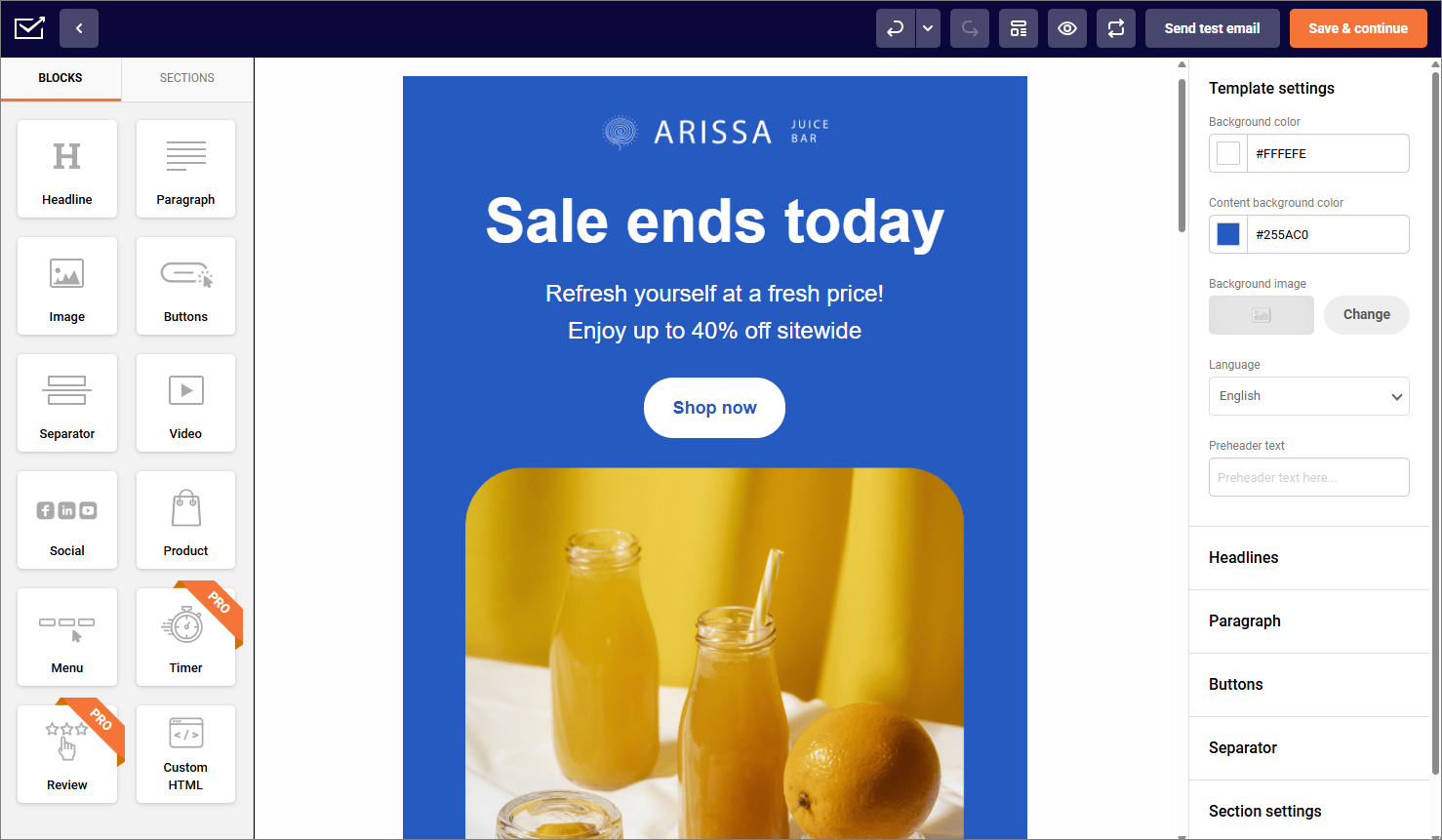
Create captivating newsletters in minutes, not hours. Pick one of many Sender’s responsive templates, customize it in an intuitive drag-and-drop builder… and that’s it!
Lead Nurture Email Sequence
Once someone’s on my list, I want them to get to know what I do—but I have to be thoughtful about it. In fact, many companies struggle, and 80% of new leads never translate into sales.
An effective lead nurturing sequence is about giving value while slowly building the relationship. It’s my chance to show that signing up was worth it. A solid lead nurturing sequence addresses their pain points before asking for anything.
I start with a thank-you email. Nothing fancy, just showing appreciation. Sets the tone.
After that, I send educational content that matches what my subscribers care about. I’m trying to keep demonstrating value so they stay interested in what’s coming next.
At some point I introduce myself and whoever else is involved in the business. I keep it short but personal—enough to show there are real people behind the emails.

The next few emails address problems my subscribers might be dealing with. I share helpful info that makes me look useful, not pushy.
Then I present what I’m selling and how it helps them. By this point, I’ve given enough that a pitch feels earned.
I wait a couple days between emails. No need to rush.
Cold Email Sequence
Cold emails are their own challenge. You’re reaching out to someone who has no clue who you are, so you really can’t waste their time. This is essentially a sales email sequence for people who don’t know you yet.
The first email has to be short, specific, and all about them—not about you. I lead with something relevant to their situation or a problem they’re probably facing. Anything that looks like a mass email gets deleted. The email subject line has to earn the open.
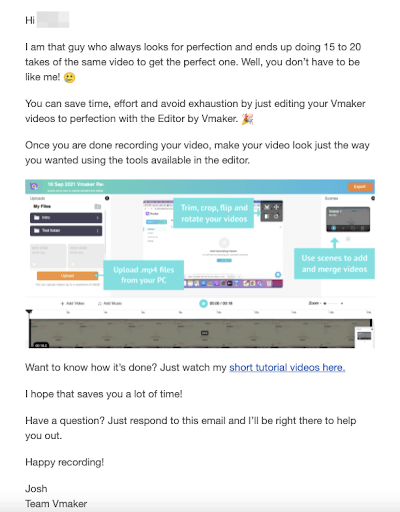
A few days later, I follow up. I mention my previous email and offer a different angle or something new. Keep it casual.
Email three is where I bring in social proof—a result I’ve gotten, a client I’ve worked with. Customer stories build credibility without being aggressive about it.
If I still haven’t heard back, I send something helpful with nothing expected in return. A resource, an observation, a useful tip. Shows I’m not just trying to take.
Last one’s a breakup email. I let them know I won’t keep bothering them, but I leave things open. Sometimes that’s the email that finally gets a response.
Sales Funnel Email Sequence
A sales funnel sequence maps to the path someone takes before becoming a customer. It helps me see where people are and what they need at each point.
First, there’s awareness. Someone discovers what I’m offering, usually through content or ads.
Then interest. They engage—browse my site, read my emails, poke around. Maybe they visit a particular page multiple times.
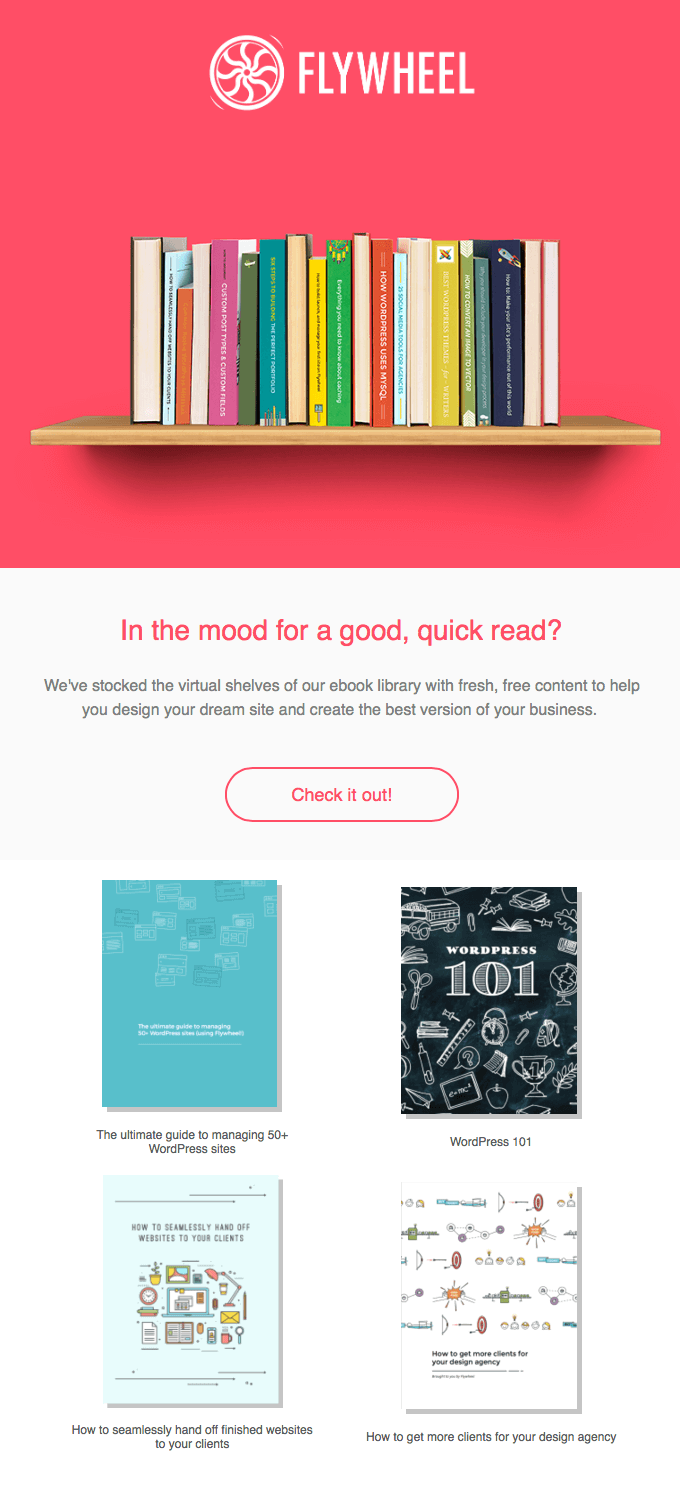
Next is the decision phase. They’re weighing whether to buy.
Finally, action. They purchase.
Understanding this helps me figure out where I’m losing people and what needs work.
When someone shows up on my site and looks around, I offer an email subscription. Once they’re in, I send emails designed to move them from one stage to the next. The idea is guiding them from curious to customer with the right message at each step. Personalized email sequences work better than generic blasts here.
Conversion Email Sequence
A conversion email sequence does one thing: turn interested people into paying customers.
At this point, my subscribers know who I am. They’ve read my content and shown signs they might buy. Now I need to get them over the line.
I start with an email focused on their main problem and how my product solves it. Benefits matter more than features here—I focus on what their life looks like after they buy.
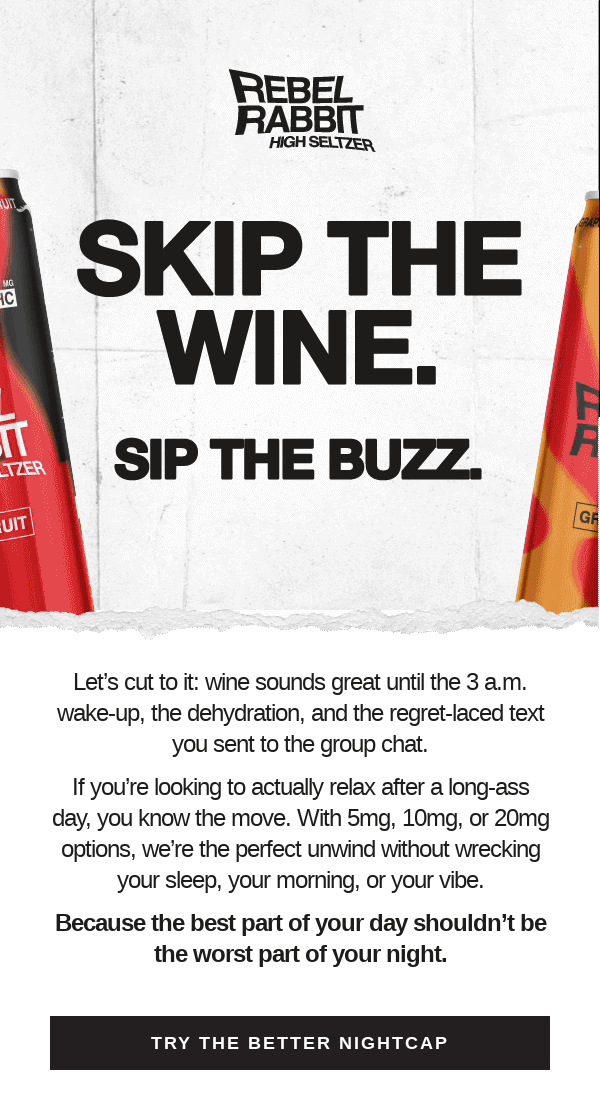
The second email handles objections. I think through what’s holding them back: Is it too expensive? Will it work? Is it right for me? I answer those questions head-on with testimonials, examples, or guarantees.
Then I add some urgency. A deadline, a limited offer—something that gives them a reason to act now. But I keep it honest. Fake scarcity kills trust.
I follow up as the deadline gets close, then send one final email when time’s running out. That last one usually gets the most conversions. Some people just need that push. Not every customer converts on the first ask.
Throughout the whole sequence, I make sure the call to action is obvious and there’s nothing getting in the way of buying.
Email Follow-up Sequence
Follow-up sequences keep people engaged after that first interaction. You want to encourage users to take the next step.
Persistence matters here. People skip emails all the time—not because they don’t care, but because they’re busy.
I time my follow-ups for when subscribers are most likely to pay attention.
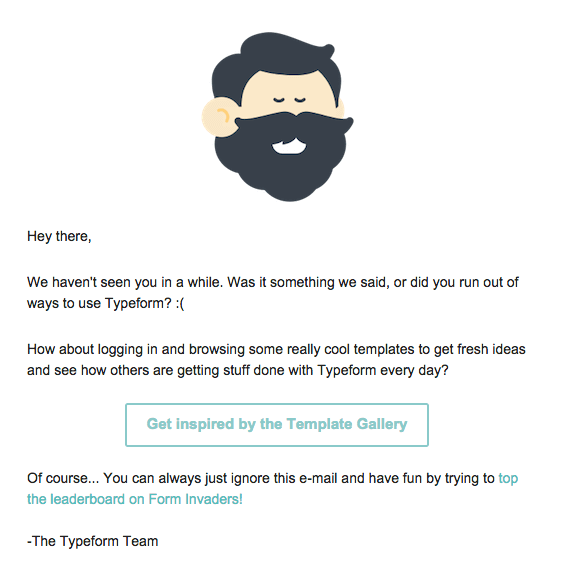
TMy first message lays out what I’m hoping to accomplish. But I know it might not get read, so I send another email a day later with the same point, just shorter. Don’t just resend the same email though—reframe it.
Two days after that, I send something even more brief—basically just restating what I’m asking with a clear next step.
If there’s still no response, I send a goodbye message. I let them know I’m stepping back and that I’m sorry we couldn’t connect.
This works more often than you’d think. People come back apologizing for the delay, and we pick things up from there.
Re-engagement Email Sequence
People stop opening your emails. It happens. They get busy, lose interest, or your messages just get buried. Re-engaging inactive subscribers is worth the effort though.
But it’s a different story with email. 81% of small and medium business professionals believe that email marketing increases customer retention.
To be precise, a re-engagement sequence can bring inactive subscribers back before they’re gone for good.
First, I decide what “inactive” means for my list. Usually it’s someone who hasn’t opened anything in 60 to 90 days.
My first email acknowledges the silence without making them feel bad. Something like ‘We miss you’ or ‘Still interested?’ The we-miss-you email examples with 15 subject lines tested for emotional reactivation gives you ready-to-adapt subject lines for the empathy-driven approach this sequence depends on.
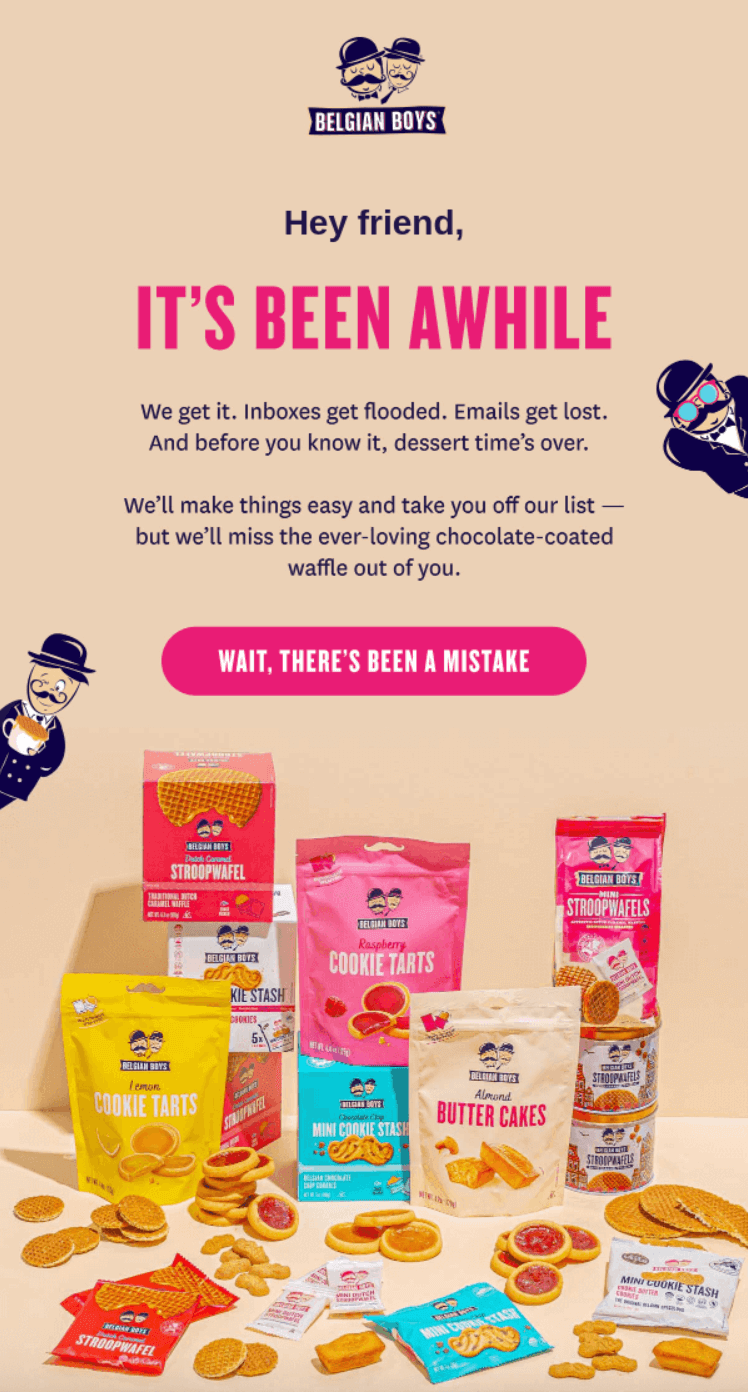
Email two offers something extra. Maybe a discount, a free resource, early access to something. I give them a concrete reason to come back.
If they still don’t respond, I ask for feedback. What changed? What would they rather hear about? Sometimes people drift away because what I’m sending no longer fits—and they’ll tell me if I ask.
The last email is a clear opt-out. I let them know I’ll take them off the list unless they confirm they want to stay.
Not everyone comes back, and that’s fine. A smaller, engaged list beats a big unresponsive one. Also, make sure your content follows the visual hierarchy rules to look its best.
Event Email Sequence
Whenever I’m running an event—online or in person—I use email to build interest and keep it top of mind.
These emails remind people the event is happening, get them ready for what’s coming, and drive signups.
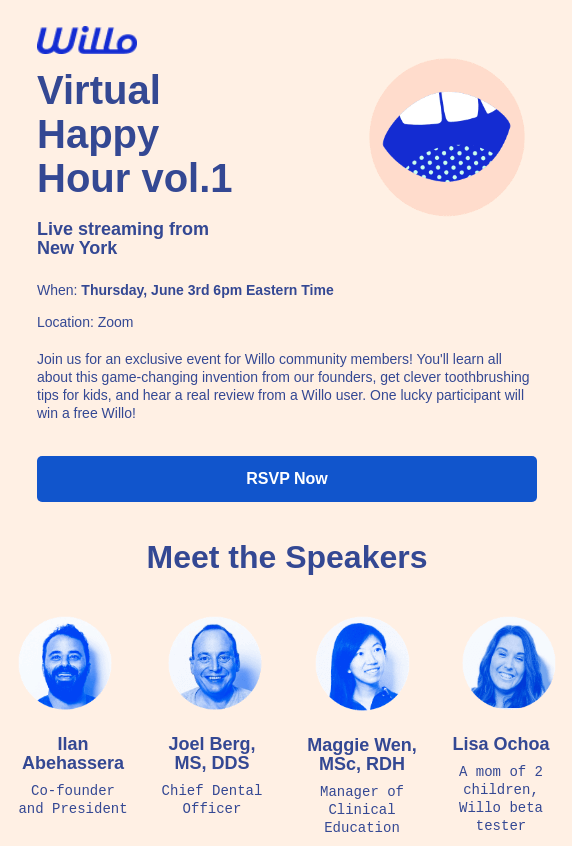
I send emails before the event and after. Post-event emails are really useful. I use them to get feedback, promote related offers, or ask people to subscribe to something ongoing.
I mix up the content—text, images, video—to keep things fresh. Everything needs to look good and be easy to scan.
I space emails about two days apart leading up to the event. Enough to stay visible without being annoying.
Every email explains what’s in it for them and includes a clear call to action.
Product Launch Email Sequence
Launching something new is exciting and stressful at the same time. The anticipation can throw off your judgment, so I try to stay disciplined about how I approach it.
A launch sequence builds awareness before the product goes live and drives sales once it does.
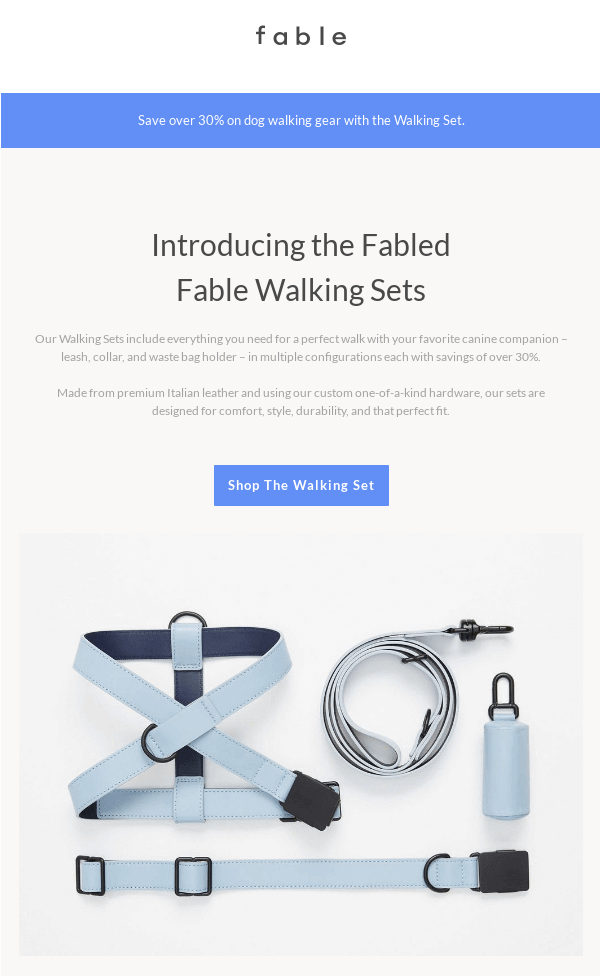
The subject line has to make the purpose clear right away. That’s what gets people to open it.
The email itself starts with an overview of the product. I keep it tight but interesting—enough to hook them without going overboard.
Then I cover key features in a way that keeps people reading. I focus on what the product does for them, not just specs or details.
The call to action has to be clear. I write it carefully to nudge people toward buying, joining a waitlist, or whatever the next step is.
I include my contact info so people can reach out with questions. Having a solid email template for launches helps me stay consistent.
Abandoned Cart Email Sequence
I’ve spent a lot of energy driving traffic only to watch people add things to their cart and disappear. Sadly around 70% of prospects will do it. Frustrating doesn’t cover it.
Abandoned cart emails help me get some of that back.
These are follow-ups sent to people who showed real buying intent but didn’t finish checking out. The goal is to remind them what they left behind and get them to complete the purchase.
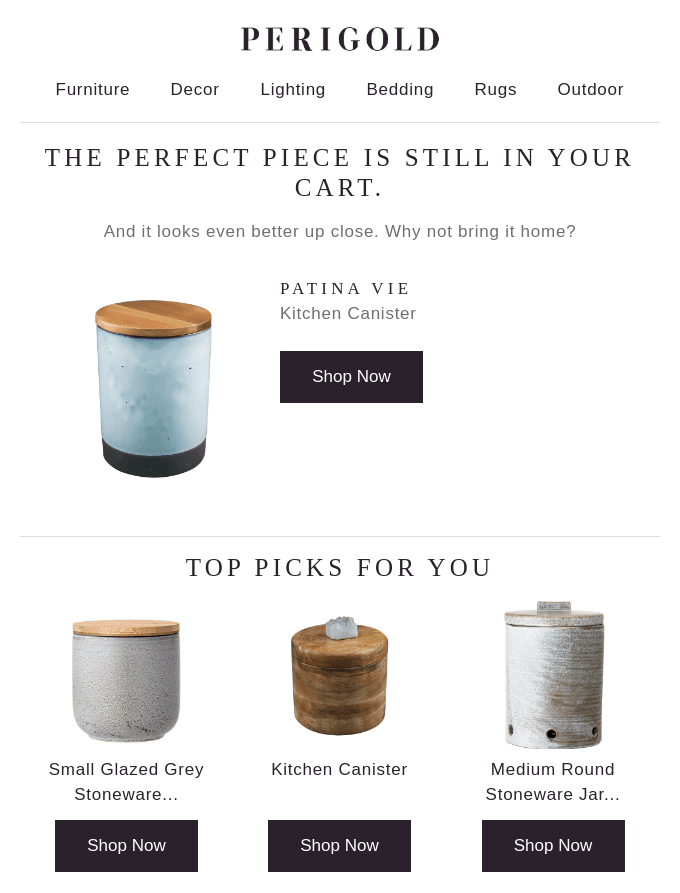
I make these emails targeted and specific. I talk up the product’s benefits, address concerns, and create some urgency when it makes sense.
Timing is key. I don’t wait too long to send the first one, and I follow up a couple of times if they haven’t converted.
When this sequence is working, I see a noticeable bump in revenue. It’s one of the higher-return things I do. The cart abandonment statistics that explain why this sequence is one of the highest-return automations breaks down abandonment rates by industry, device, and intent — useful context for setting realistic recovery targets.
Upsell Email Sequence
Once someone buys from me, that’s not the end—it’s the beginning.
An upsell sequence encourages existing customers to buy more, upgrade, or try a premium version. Since they’ve already spent money with me, they’re way more likely to buy again than someone who’s never heard of me. You can tailor these based on past purchases.

Timing matters a lot. I don’t send upsell emails right after checkout. I wait until the customer’s had a chance to see results from what they bought.
The first email celebrates what they’ve accomplished, then positions the upsell as the next logical step. I frame it around their goals: “You’ve done X—here’s how to go further.”
The second email gets into the specific benefits of upgrading. I focus on what they gain, not what they’re missing out on.
If they’re still on the fence, the third email deals with hesitations. I might compare what they have now to what the upgrade offers.
A final email can include a time-sensitive deal—a discount or bonus for upgrading soon.
I keep the tone helpful. Not pushy. The point is helping them, not extracting more money.
Renewal Reminder Sequence
If you run a subscription business, renewals are everything. A renewal email sequence makes sure customers don’t lapse by accident—and reminds them of the value they’ve been getting.
I start early. First reminder goes out about 30 days before renewal. It’s informative, not salesy. I tell them renewal is coming up, include the date, and mention the benefits they’ve enjoyed.
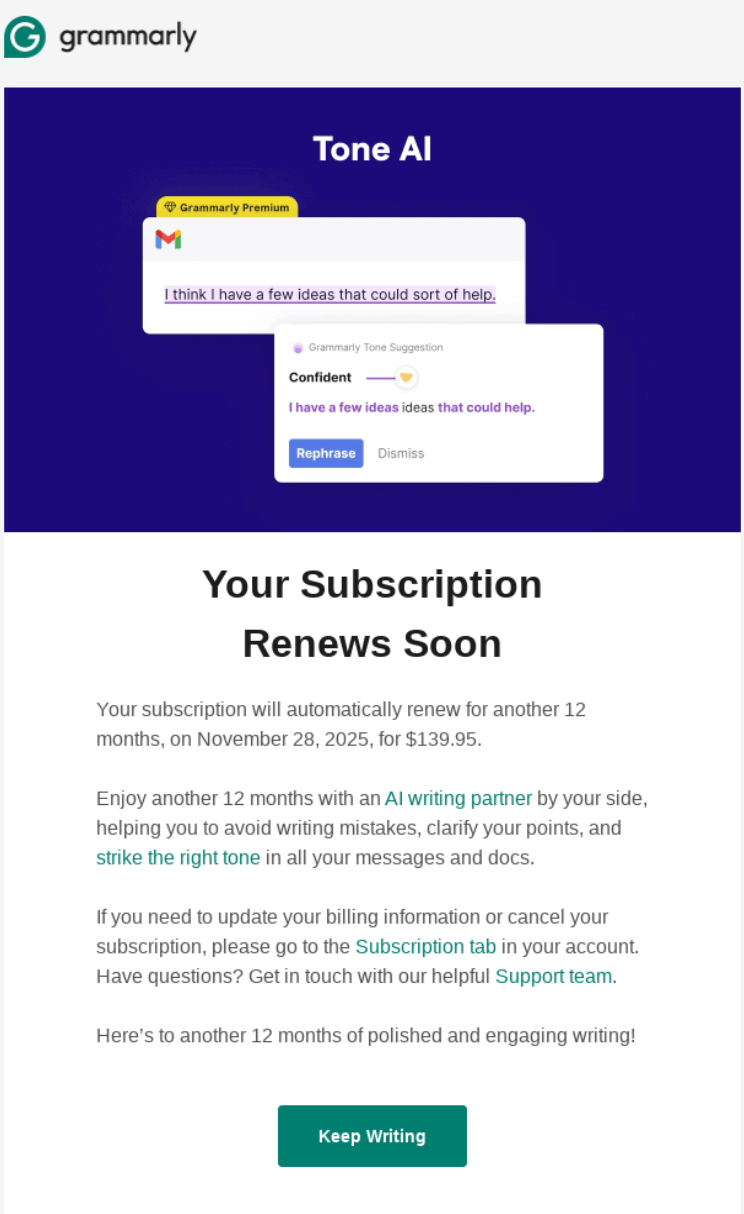
Two weeks out, I send another email. This one highlights what they’ve used or what they’ve accomplished. I try to make the value specific.
A week before, I addressed concerns. If pricing changed, I would explain why. If competitors are trying to win them over, I remind them what makes me different. I also invite them to reach out if they have questions.
The final reminder goes out one to three days before renewal. Short, direct, action-focused. If renewal isn’t automatic, I make it as easy as possible.
For people who do let their subscription lapse, I follow up with a “we’d love you back” email and offer something to get them to resubscribe.
How to Write an Email Sequence
Whatever kind of sequence you’re putting together, it needs to connect with your audience. Here are some best practices that have worked for me when I create email sequences:
- Know what you’re trying to do. Be clear about your goals before you write anything. This helps you create an email sequence that makes sense.
- Make it personal. Use names, reference their interests, make them feel like you’re talking to them directly.
- Write something worth reading. Boring emails get ignored. Put in the work to make yours stand out.
- Tell them what to do next. Every email should have a clear action.
- Go with your gut. Your audience reflects your business. Do what feels right and adjust based on what happens.
If you want to create automated email sequences that work, start simple. Pick one type of sequence and build it out before moving to the next.
Use the Right Email Series
Email’s still one of the most effective ways to drive conversions. I’ve seen it outperform plenty of other marketing channels.
If you take the time to build sequences that meet people where they are and give them something worthwhile, you’ll have a much better shot at cutting through the noise and building real relationships.